Julius Malema Sentenced to Five Years: What It Means for South Africa
Julius Malema sentenced to five years for firearm offenses. His appeal could reshape South Africa’s politics, justice system, and democratic institutions.
Loading...

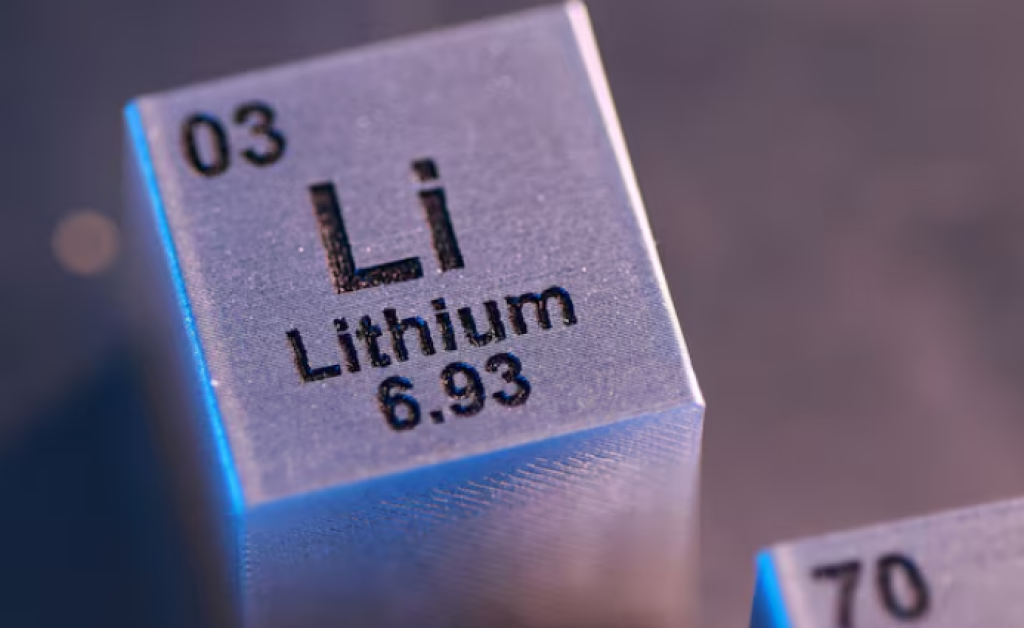
Zimbabwe has suspended raw lithium exports, sparking a surge in Chinese prices and raising global supply chain concerns. Discover the impact on energy storage, mining, and the clean energy transition.
Global energy markets were jolted this week after Zimbabwe, one of the world’s top lithium producers, announced a sudden ban on the export of raw lithium concentrate. The move immediately triggered a surge in Chinese lithium prices, underscoring the fragile balance of supply chains at a time when demand for energy storage and electric vehicles is booming.
Lithium carbonate contracts on the Guangzhou Futures Exchange jumped more than 9% in early trading before settling at 178,020 yuan ($26,043) per metric ton. Analysts warn that the ban could tighten supplies in the short term and reshape long‑term strategies for countries and companies reliant on Zimbabwe’s mineral wealth.
Table of contents [Show]
Zimbabwe is Africa’s largest lithium producer and ranked fourth globally in mine production last year, according to the U.S. Geological Survey. The country supplied nearly 10% of the world’s lithium in 2025, exporting 1.128 million tons of spodumene concentrate—an 11% increase from the previous year.
Much of this output went to China, which has invested heavily in Zimbabwe’s mining sector through companies such as Sinomine and Zhejiang Huayou Cobalt. These partnerships have positioned Zimbabwe as a critical supplier in China’s quest to secure raw materials for its fast‑growing battery industry.
On April 23, Mines Minister Polite Kambamura announced that Zimbabwe would suspend exports of lithium concentrate “until further notice.” The government framed the move as part of a broader strategy to encourage domestic processing, reduce illicit shipments, and capture more value from its natural resources.
Only enterprises with approved processing capacity and legitimate mining permits will be allowed to export lithium products. The ban does not apply to intermediate products such as lithium sulphate, meaning some trade flows may continue.
The immediate impact was felt in China, where lithium prices spiked. Shares of major lithium companies also rose:
These movements reflect investor expectations that tighter supply will boost profitability for producers outside Zimbabwe.
Analysts suggest several reasons for the timing:
Cameron Hughes of CRU Group noted that Zimbabwe’s move mirrors Congo’s cobalt export ban last year, which was later replaced with a quota system.
The ban reflects Zimbabwe’s desire to move up the value chain. By forcing companies to process lithium locally, the government hopes to:
However, challenges remain. Building processing capacity requires significant investment, stable electricity supply, and supportive infrastructure; all areas where Zimbabwe faces hurdles.
Lithium is a cornerstone of the clean energy transition, powering electric vehicles, smartphones, and renewable energy storage systems. Disruptions in supply can ripple across industries worldwide.
China, which imported 19% of its lithium concentrate from Zimbabwe last year, may need to diversify sources. Australia, Chile, and Argentina are likely to benefit from increased demand. Meanwhile, companies may accelerate efforts to recycle lithium from used batteries to reduce reliance on volatile supply chains.
Zimbabwe’s ban is part of a broader global trend:
These moves highlight how governments are seeking greater control over strategic minerals, often at the expense of global supply stability.
Financial institutions are cautious. Jefferies Financial Group warned that the market will “momentarily tighten” following Zimbabwe’s ruling, though long‑term impacts depend on how quickly local processing capacity develops. Citic Securities noted that exports of intermediate products like lithium sulphate may soften the blow.
For investors, volatility in resource markets is nothing new. Yet the scale of Zimbabwe’s role in lithium production means this ban could have lasting consequences.
Zimbabwe’s decision to halt raw lithium exports is both a bold assertion of sovereignty and a risky gamble. While the policy aims to strengthen domestic industry and reduce smuggling, it also introduces uncertainty into global supply chains at a critical moment for the clean energy transition.
For China, the ban underscores the need to diversify imports and invest in alternative sources. For Zimbabwe, success will depend on whether it can build the infrastructure and capacity to process lithium locally. And for the world, the episode is a reminder that the race to secure critical minerals is as much about politics and policy as it is about geology.
Julius Malema sentenced to five years for firearm offenses. His appeal could reshape South Africa’s politics, justice system, and democratic institutions.
ZANU‑PF is pushing a controversial constitutional amendment in Zimbabwe to extend presidential powers and weaken direct voting rights. Public hearings have been marred by violence, intimidation, and bussing of supporters, raising fears of democratic backsliding.
Brent crude surges past $100 as U.S.–Iran conflict disrupts Strait of Hormuz, fueling inflation fears and economic strain from Cape Town to New York.