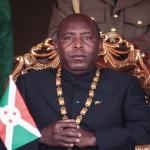
Burundi’s President Évariste Ndayishimiye Secures Ruling Party Nomination for 2027 Election
Burundi’s ruling CNDD‑FDD nominates President Évariste Ndayishimiye for the 2027 election, sparking debate over governance, rights, and the nation’s future.
Loading...

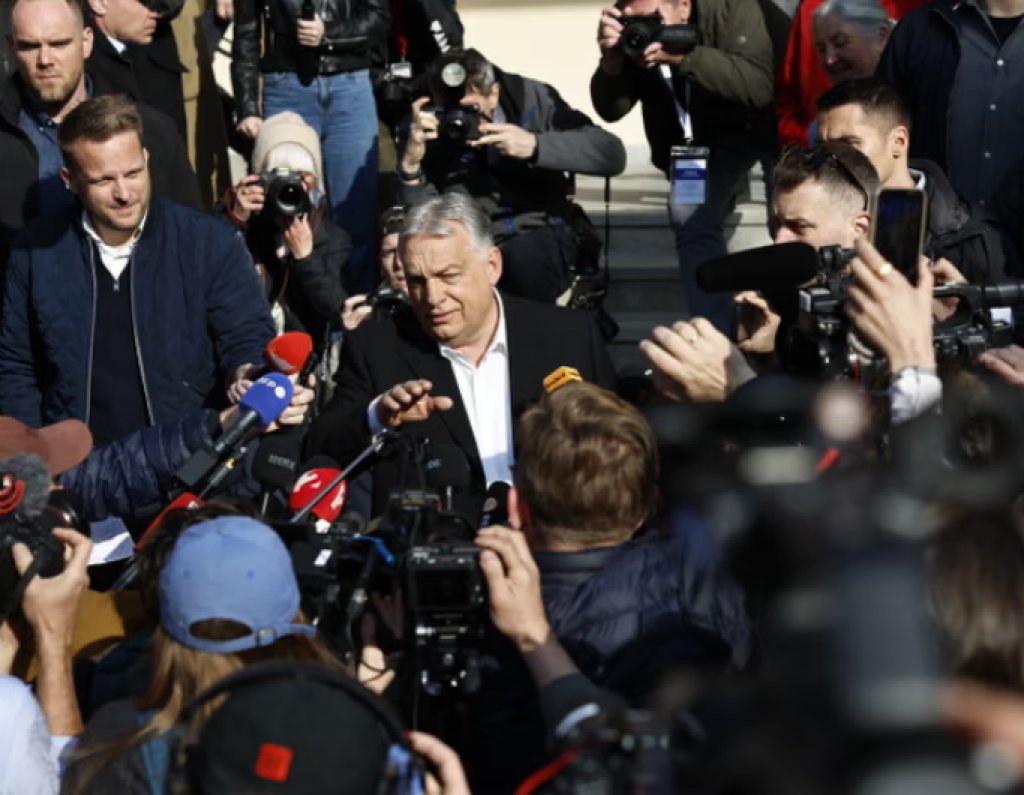
Hungary ends Viktor Orbán’s 16‑year rule as Páv Magyar wins landslide, pledging reforms and closer EU ties in a historic pro‑European shift.
In a historic election with global ramifications, Hungarian voters ended Viktor Orbán’s 16‑year rule, handing a sweeping victory to Páv Magyar and his Tisza party. The result marks a dramatic shift in Hungary’s domestic politics and its place in Europe.
Table of contents [Show]
Preliminary results show Tisza heading for 138 seats in parliament, surpassing the two‑thirds majority needed to enact constitutional reforms. Orbán’s Fidesz party secured just 55 seats, while the far‑right Our Homeland won six. With turnout at a record 79.5%, Magyar declared: “Together we overthrew the Hungarian regime.”
Orbán swiftly conceded, calling the outcome “painful.” His defeat ends an era defined by nationalist populism, close ties to Russia, and frequent clashes with the European Union. Despite support from allies such as U.S. Vice President JD Vance, Orbán’s grip on power collapsed under mounting frustration with corruption and cronyism.
Magyar pledged to:
He compared the victory to Hungary’s historic uprisings of 1848 and 1956, framing it as a democratic revolution.
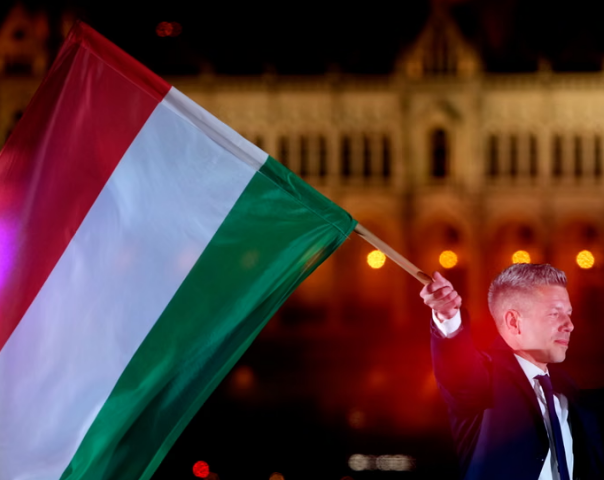
EU leaders quickly congratulated Magyar, seeing his win as a chance to end Hungary’s obstruction of key policies. Poland’s Prime Minister Donald Tusk hailed the “glorious victory” and pledged closer ties. The Kremlin, while acknowledging the result, signaled caution, noting Hungary’s past support for sanctions against Russia.
Orbán’s fall also reverberates across global far‑right movements, where he had been celebrated as a model of nationalist governance.
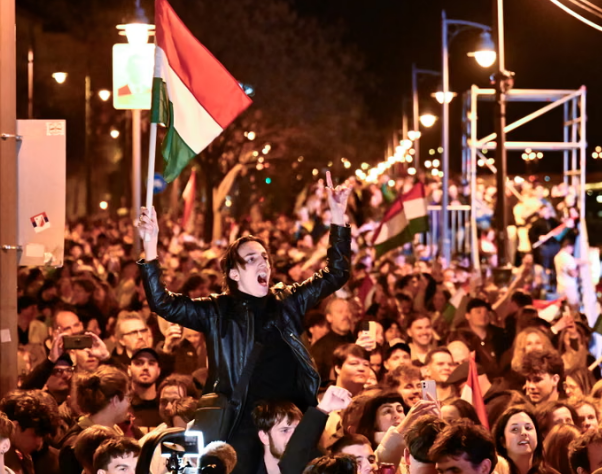
Budapest erupted in celebration, with supporters waving flags and honking car horns along the Danube. Magyar’s campaign, built on grassroots rallies across towns and villages, tapped into widespread anger at corruption and declining public services.
Despite the landslide, Magyar faces immediate challenges:
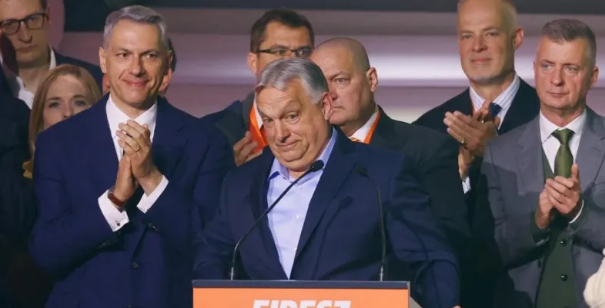
The end of Orbán’s 16‑year rule marks a turning point for Hungary and the EU. Magyar’s victory signals a pro‑European shift, but the road ahead will test his ability to deliver reforms, restore credibility, and navigate a volatile geopolitical landscape.
Burundi’s ruling CNDD‑FDD nominates President Évariste Ndayishimiye for the 2027 election, sparking debate over governance, rights, and the nation’s future.
ZANU‑PF is pushing a controversial constitutional amendment in Zimbabwe to extend presidential powers and weaken direct voting rights. Public hearings have been marred by violence, intimidation, and bussing of supporters, raising fears of democratic backsliding.
Congo votes in a presidential election expected to extend Denis Sassou Nguesso’s rule, as opposition boycotts and voter apathy raise questions of legitimacy.